The Whistle-Blowers of Grassroots Football
The often thankless role of volunteer referees in grassroots football.
Editorial · 16 November 2026 · 2 min read

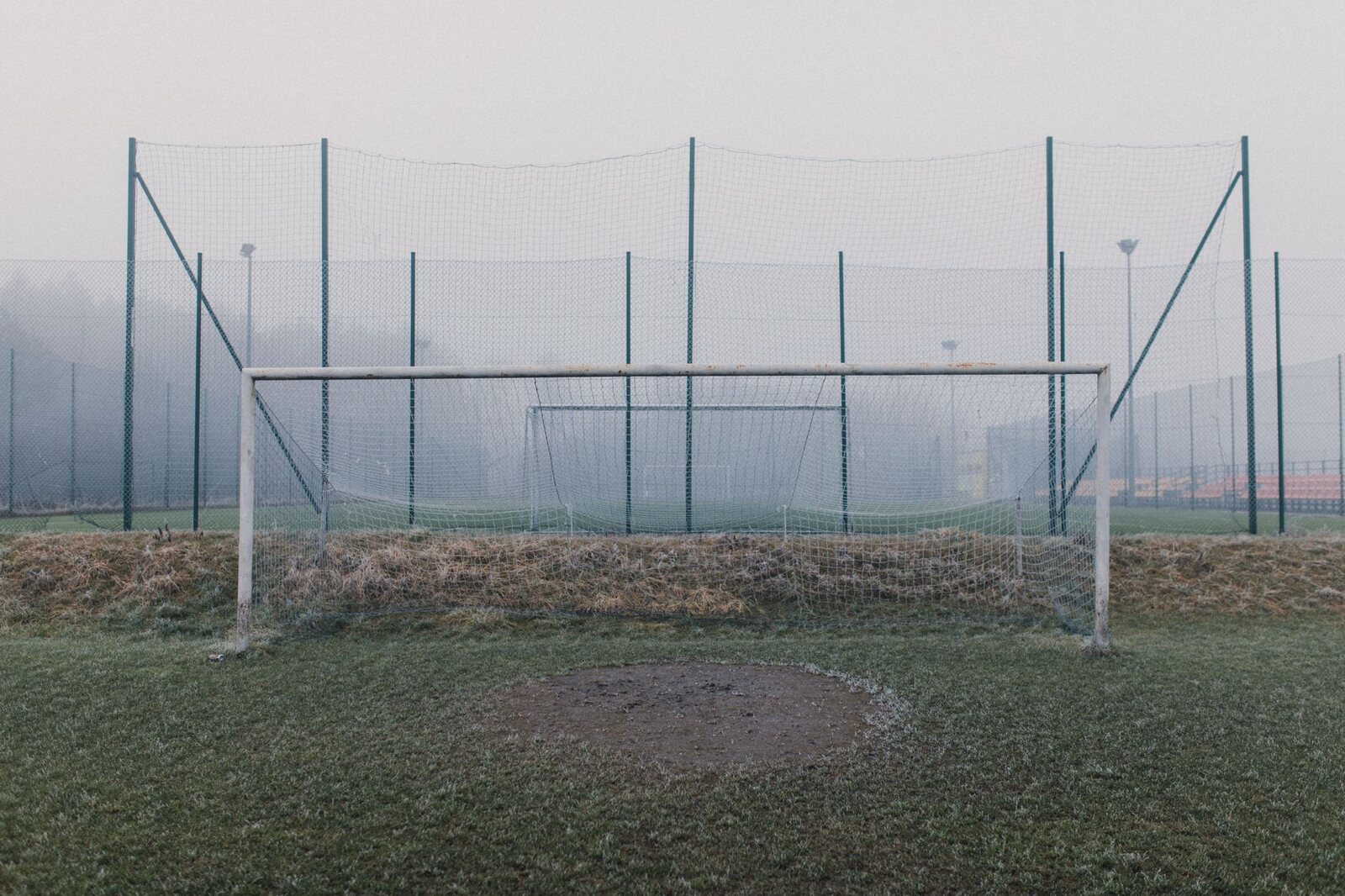
Photo by HedMidia Notícias on Pexels
The treasurer of a small local club, checking the bank account on a Wednesday night, notices a recurring pattern. Every month, the club's finances improve by about a fifth of the subs. It's the money from the referees, who are paid a small fee for their services. Without them, the game simply cannot function.
Volunteer referees are the backbone of grassroots football. They are the ones who blow the whistle, make the calls, and ensure the game is played fairly. They are the ones who face the wrath of parents and players when decisions go against their team. They are the ones who put in the hours, often for little thanks or recognition.
The role of a volunteer referee is not an easy one. They must be knowledgeable about the rules of the game, have a good understanding of the flow of play, and be able to make quick decisions under pressure. They must also be able to handle the abuse that often comes their way, whether it's from the sidelines or from the players themselves.
Despite the challenges, many volunteer referees find the role rewarding. They enjoy the camaraderie of the refereeing community, the opportunity to be part of the game they love, and the satisfaction of knowing they are contributing to the development of young players.
Without them, the game simply cannot function.
However, the number of volunteer referees is declining. The demands of modern life, the abuse they face, and the lack of recognition and support are all factors that are driving people away from the role. This is a problem for grassroots football, as without referees, the game simply cannot take place.
Clubs and leagues must do more to support and recognise the contributions of volunteer referees. This could include providing training and development opportunities, offering financial incentives, and creating a culture of respect and appreciation for the work they do.
If you're interested in becoming a referee, check out a proper club website for more information on how to get started.
In the meantime, players, parents, and coaches must also do their part to support and respect the referees. This means accepting their decisions, even when they go against your team, and treating them with the respect and courtesy they deserve.
Grassroots football relies on the dedication and commitment of volunteer referees. Without them, the game would grind to a halt. It's time we recognised their contributions and did more to support and appreciate them.
Keep reading
More from the desk

Confidence, Not Toughness: Helping the Player Who Pulls Out of Tackles

Every Kid, Every Minute: What I've Learned Keeping a U8 Team Involved