Every Kid, Every Minute: What I've Learned Keeping a U8 Team Involved
A clever drill fell apart in front of Kyle Dyer's under-8s. The game he swapped it for, three teams of three and one simple rule, had every child on the ball.
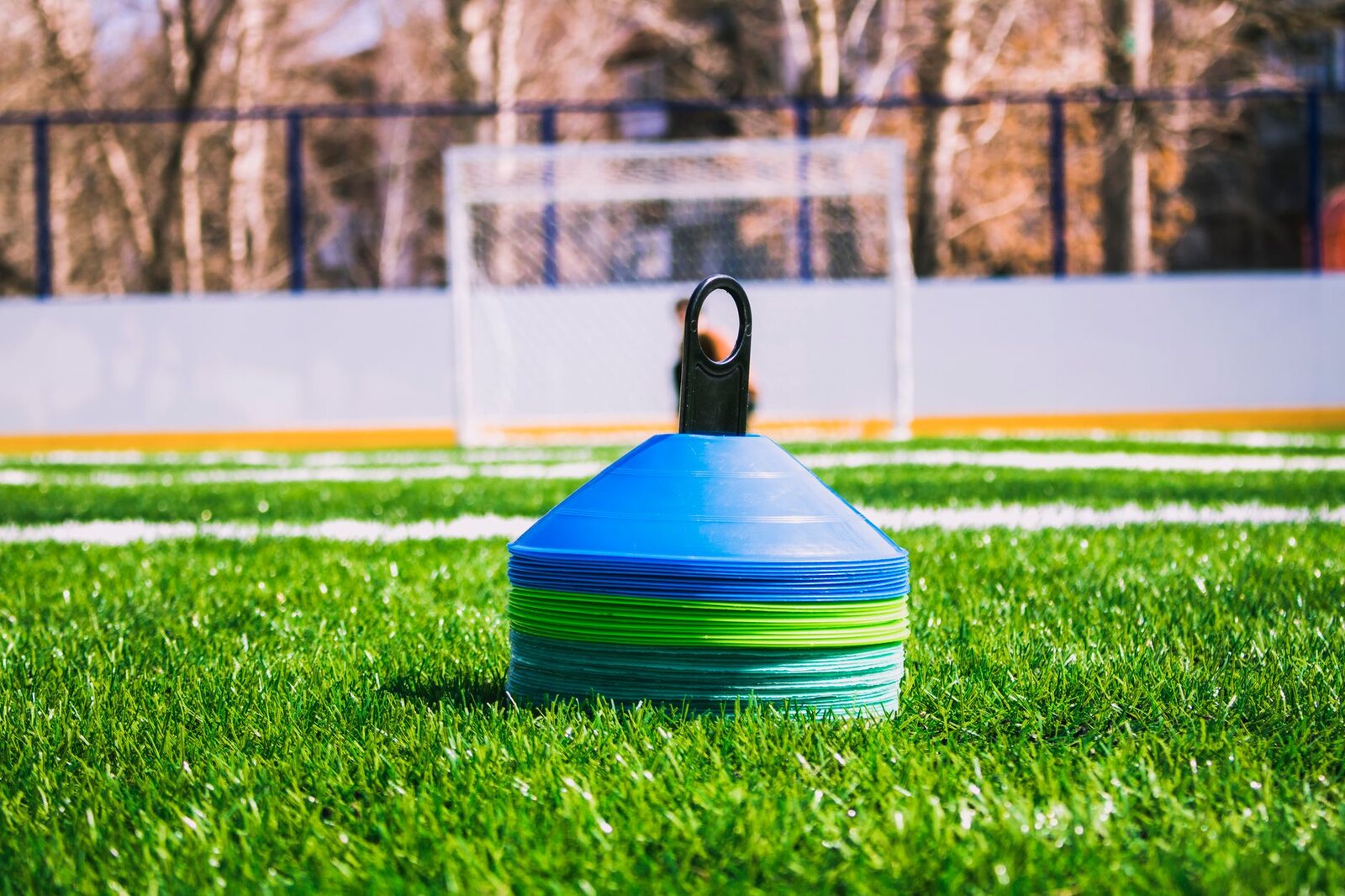
Photo by Ruslan Alekso on Pexels
I've been with my under-8s since they were four. Back then a session meant a dozen kids chasing one ball like bees round a jam jar, and as their coach I mostly made sure nobody wandered off to look at a worm. Four years of coaching later, the biggest lesson I've learned is simple: the kids who are touching the ball are learning, and the ones who aren't are getting bored.
So when I planned a recent session, I gave it one goal. Every child should be involved, all the time.
Starting from the format
Our U8s play 5v5, in line with the FA's small-sided formats for this age group. I've come to value that more and more. With five a side, there's nowhere to hide on a Saturday, and that's a good thing. Every player gets the ball, has to make decisions and has to defend. The more I thought about it, the more I wanted training to feel the same way.
What didn't work: the clever drill
I'll start with my mistake, because it taught me the most.
I'd planned a drill that looked great on paper. It had a few stages, a rotation, and a rule that changed halfway through. I spent too long explaining it, and that was the first warning sign. When you watch the faces of seven-year-olds during a long explanation, you see the moment they stop listening.
The kids don't care that you planned it. They care whether they're playing.
Once it started, it fell apart. Some kids weren't sure where to go, others stood waiting for their turn, and the ones who understood it got frustrated with the ones who didn't. It wasn't the children's fault. The drill was simply too complicated for their age. I was coaching the plan instead of the players in front of me.
I stopped it, which is something I'd have been reluctant to do in my first season. Back then I'd have pushed on because I'd planned it. Now I know there's no shame in binning something that isn't working. The kids don't care that you planned it. They care whether they're playing.
What worked: short games, lots of touches
What we did instead was much simpler. We played short games in small groups, with lots of touches on the ball and almost no talking from me.
The games were quick, the rules were easy, and when the ball went out the next one came straight in. Nobody stood in a line. When a game finished, we reset and went again.
With nine or ten kids, we made three teams of three and played on an area about 30 by 20 yards. Two teams played while the third waited at the side, and the teams rotated every few minutes so nobody was off for long. There was one rule: everyone on the team had to touch the ball before a goal counted. That stopped the strongest player from going it alone and brought the quieter ones into every attack. Within a couple of games they were shouting for the ball, because they knew the goal didn't count without them.
The difference was obvious straight away. The quieter kids, who can disappear in a bigger drill, were on the ball constantly. The confident ones had to share and work for it. There was noise, laughing and plenty of mistakes, and every mistake meant a child had tried something.
I coached in the gaps. I'd use a quick word during a break, a question like "where could you have run there?", or a high five for someone who tried a skill they'd never tried before. A short point lands with a seven-year-old. A speech doesn't.
What I'd tell another new coach
Coaching runs in my family. My dad has coached for 17 years, and I've picked up a lot from watching him. Still, some lessons you only learn by getting them wrong yourself. These are mine from this session:
- Count the touches, not the cones. If a session looks impressive but the kids barely touch the ball, it isn't working.
- If you're explaining for more than a minute, it's too complicated. Show it, start it, and fix it as you go.
- Play the format they play on matchday. Small-sided games in training make Saturday feel familiar.
- Be willing to stop. Changing a drill that isn't working isn't failing. It's coaching.
- Involvement comes first. At this age, a child who has a hundred touches and a lot of fun will come back next week. That matters more than anything else.
My team has grown up a lot since they were four. They still love chasing the ball, but now they pass it to each other too, most of the time. I like to think that's because they've spent the last few years playing, not queueing.
Kyle Dyer has coached grassroots football in Gloucester for four years and runs an under-8s team he has been with since they were four. He grew up around the game through his dad, who has coached for 17 years. Kyle is the author of The First-Time U7 & U8 Football Coach.
Keep reading