Confidence, Not Toughness: Helping the Player Who Pulls Out of Tackles
Tevin Preudhomme was the player who trained hard and stepped out of every 50/50. Here's what he wishes the adults on the touchline had known.
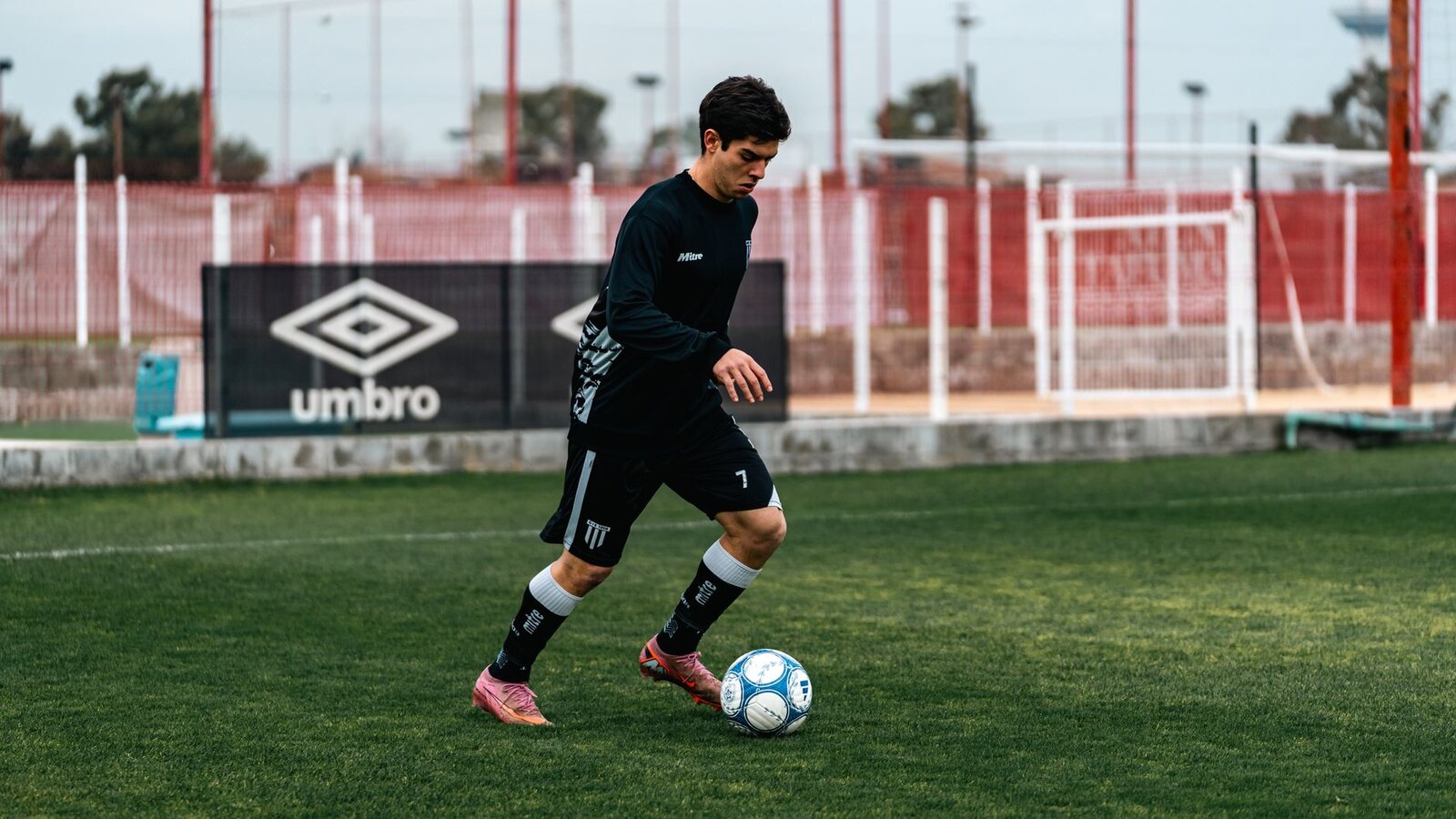
Photo by Franco Monsalvo on Pexels
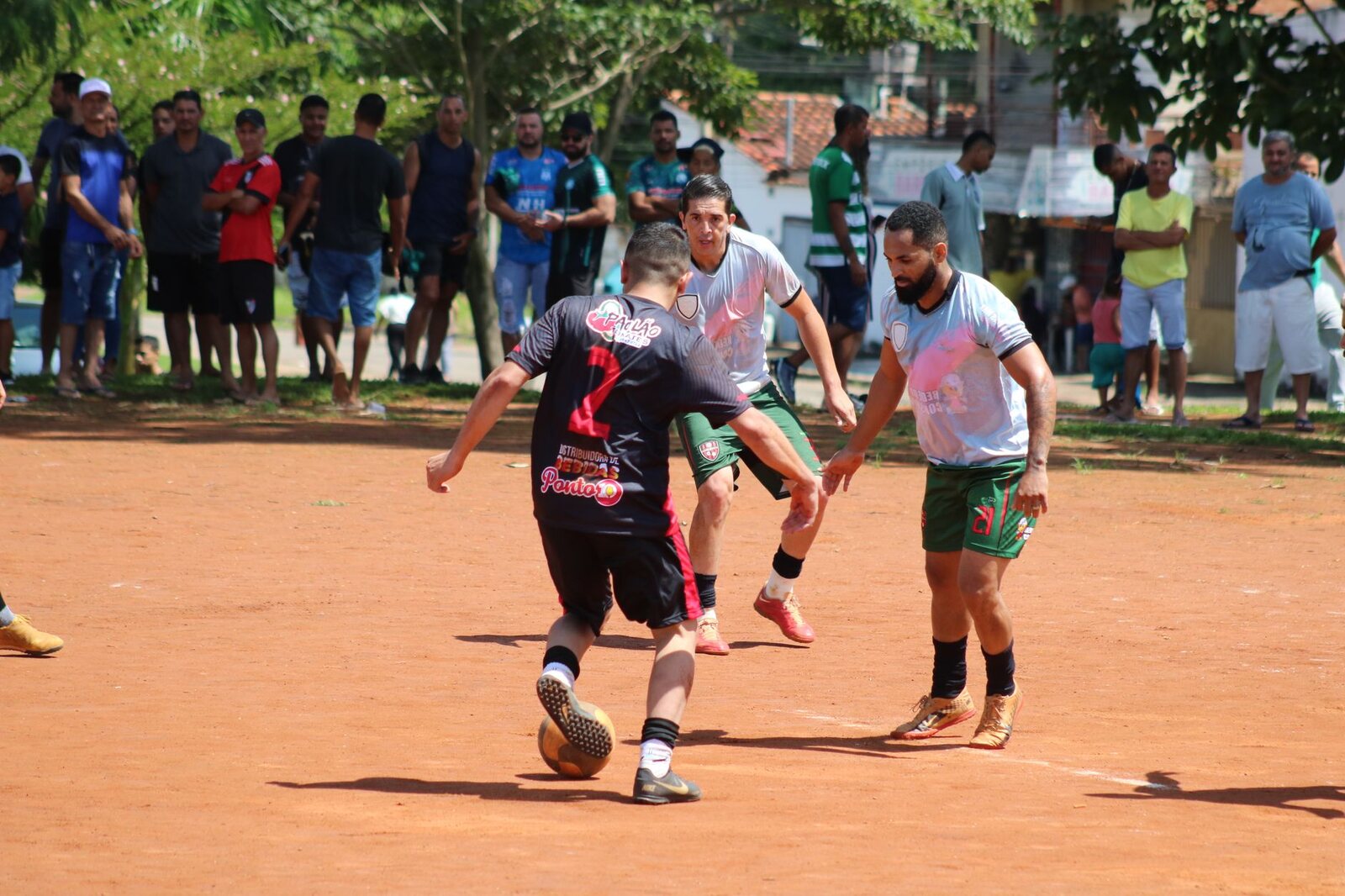
Every grassroots club has one. The 12-year-old who is sharp in training, first to every drill, and then on Saturday steps out of every 50/50. Someone on the touchline shouts "Get stuck in!" and the child shrinks a little more.
I know that player, because I was that player.
Growing up, I loved football and wanted nothing more than to be a footballer. In training I was always the most disciplined player and the most improved. But it never showed in games. I played my whole amateur career on free kicks, passes and staying free, finding space so I never had to fight for the ball. Physical contact was the thing that put me off the game I loved.
Nobody ever told me that the fear was normal, or that it could be trained like any other skill. So here is what I wish the adults around me had known.
On the touchline: what to say, and what not to say
Avoid: "Get stuck in." "Don't be soft." "What are you scared of?" Comparing them with braver teammates. These turn a confidence problem into a shame problem. The child already knows they pulled out. Now they also feel they let you down.
Try instead:
- Praise the attempt, not the outcome. "Good, you went for it" after a challenge that didn't win the ball.
- Give one simple job. "Stay goal side" or "Show him outside." A job gives a nervous mind something to hold on to.
- Save the debrief for the car home, and keep it short. "What felt hard today? What felt good?" Then listen more than you talk.
Don't give that child a label. Give them a ladder.
It also helps to tell them the truth about the rules. Plenty of young players think keeping their body between an opponent and the ball is cheating. It isn't. Law 12 allows shielding when the ball is within playing distance and you don't hold the opponent off, and a fair shoulder charge is part of the game. When a player knows contact is normal and fair, a lot of the fear of the unknown goes away.
In a midweek session: what a coach can do
Confidence around contact is built in small steps, not one giant jump. Two simple tools help.
Breathe, talk, play. Before a drill or a restart, the player breathes out slowly once, says a short cue word in their head, like "Strong" or "Next ball", and then finds their next job. Where's the ball? Who am I marking? It takes three seconds and stops the panic spiral after a mistake.
A fear ladder. Ask the player to list the contact moments that worry them and give each a score from 0 to 10. Then start at the bottom. The first rung might be walking side by side with a teammate, bumping shoulders. Next, shielding the ball while a partner leans on gently. Then a 1v1 at walking pace, then half pace, building towards match-speed 50/50s. Stay on a rung until it feels easy, then move up. No sliding tackles unless they are being properly coached, and if something hurts, stop.
You don't need to single anyone out. The lower rungs make a good warm-up for the whole group, so the nervous player climbs alongside everyone else.
The goal is never to make a child tough
None of this is about pushing children into contact they're not ready for. It's about giving them the tools to feel braver on the ball when they choose to be. A confident player isn't the one who throws themselves into everything. It's the one who trusts themselves to compete.
Why it matters beyond football
I'm 33 now and I still play. Every big step I've taken since has felt like that 50/50 ball: a moment where it would have been easier to step out. What helped was the same thing that helps on the pitch. Know the rules, breathe, take one small step, then the next.
The player who pulls out of tackles at 12 isn't weak. They just haven't been shown the ladder yet.
So that's my ask to every parent and coach reading this. Don't give that child a label. Give them a ladder.
Tevin Preudhomme is a player, coach and former amateur club president from Saint Lucia. He has played for five clubs, coached at one and served as secretary of another, and sits on his community council. He is the author of Brave on the Ball.
Keep reading