The Hidden Admin Behind a Weekly Game of Grassroots Football
Finding a pitch is the easy part. The real work happens in the days before kick-off, and one person always does it.
Founder, FootDraw · 4 September 2026 · 3 min read

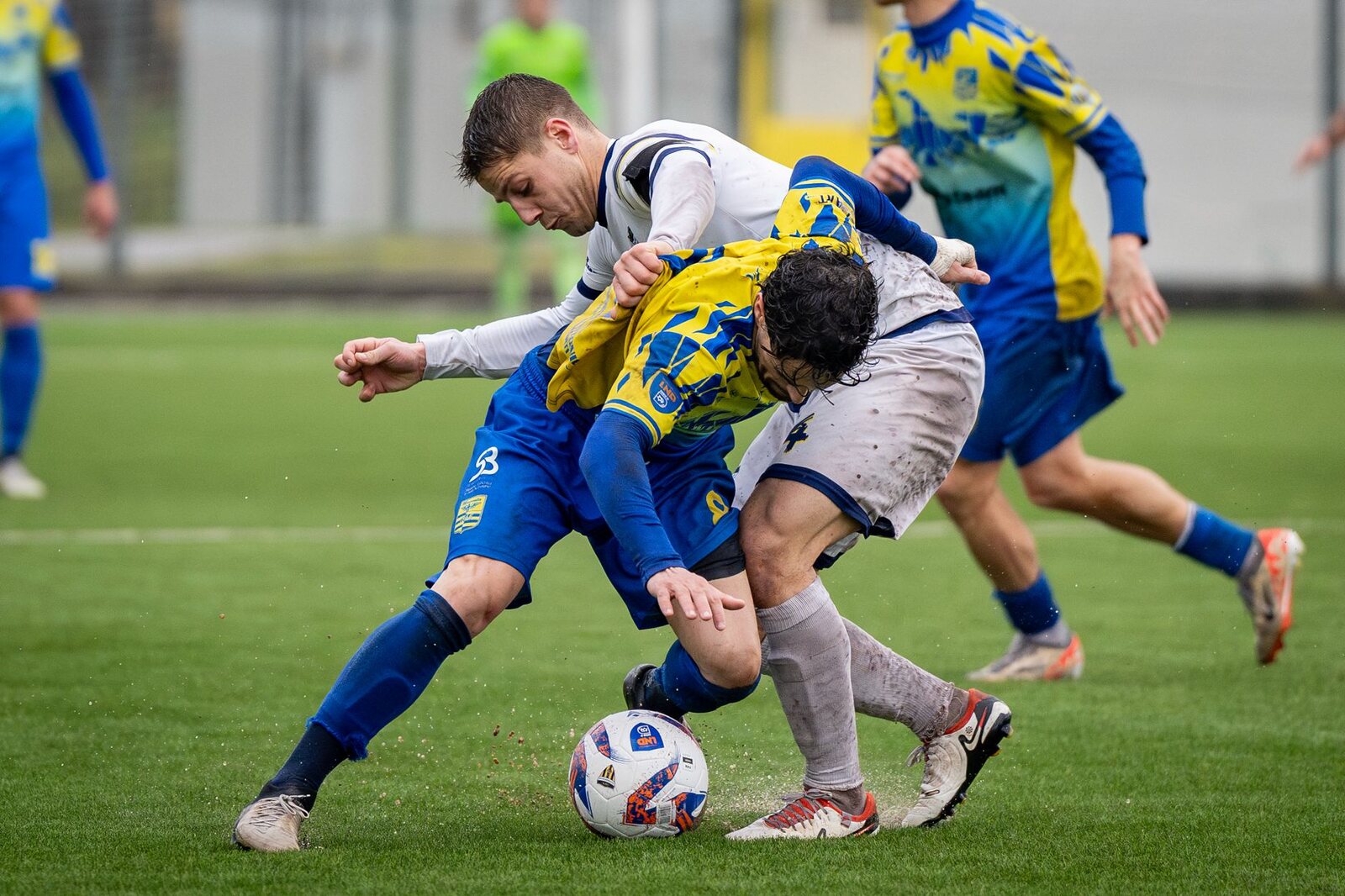
Photo by Hugo Polo on Pexels
From the outside, organising a weekly football match looks simple. Find a pitch, get enough players, kick off. Anyone who has actually done it knows the football is the easiest part.
The real work happens in the days before: finding out who is available, chasing the people who have not replied, replacing late dropouts, collecting the money, deciding the teams, answering the same question six times. For a casual five- or seven-a-side group none of that is difficult on its own. Repeated every week, it quietly turns one player into the team's unpaid administrator.
It usually begins with a message in the group chat. Football Wednesday. Who's in? A few answer straight away. Several read it and say nothing. Someone replies "probably". Another says yes and pulls out two hours before kick-off. A player who has been silent all week asks at six o'clock whether there is still a space.
The problem is not communication. Group chats are excellent for conversation. The problem is that a conversation is being used as a database. By Tuesday night the organiser is scrolling back through the thread working out who confirmed, who declined, and who was joking. Over a season that becomes genuinely tiring.
Ten players for a five-a-side is straightforward when everyone turns up. Nine is a different problem entirely. Now the organiser is messaging friends, former players, anyone who might be free at short notice — and if nobody can, the group chooses between uneven teams, a smaller pitch, or calling it off. A perfectly organised match at lunchtime can be a scramble by six. This is why a plain yes, no or maybe matters more than it sounds. It is not glamorous, but it removes most of the uncertainty from somebody else's evening.
Group chats are excellent for conversation. The problem is that a conversation is being used as a database.
Then there are the teams. Random is quick, but random is not balanced, and if the three best players land on the same side everyone can see what is coming before kick-off. So the organiser starts adjusting. Move a defender. Split those two up. Make sure each side has someone willing to go in goal. Then somebody asks why they are always on the same team.
There is no formula, because footballers do not reduce to numbers — fitness, position, chemistry and form all matter, and none of them hold still. But the target is simple enough: two teams that both believe they can win. That produces a better game than either pure randomness or one person picking from memory every week.
Play together long enough and the numbers start to matter on their own. Who has scored most this month. Who keeps taking MVP. Who actually turns up. At first these are jokes in the chat; eventually somebody starts a spreadsheet, or a note on their phone. That is the point where a kickabout begins behaving like a small football club.
Statistics are not valuable because amateur players need analysis. They are valuable because they make stories. A player chases the top scorer. Someone finally gets off the mark. Two friends argue about an assist. A goalkeeper reminds everyone, at length, about the week he somehow won MVP. Those are the reasons people come back next Wednesday.
None of this argues for more administration. It argues for less. Whether the answer is a spreadsheet, a poll or a dedicated tool such as FootDraw matters far less than the principle: the information should live somewhere obvious, and nobody should have to chase it. For plenty of groups a shared note and a bit of discipline is genuinely enough. Technology only helps when it disappears; if maintaining the tool becomes another weekly job, the problem has simply moved.
Most amateur teams have no secretary, no committee, no paid administrator. They have one person who books the pitch and sends the messages, and that person is usually the reason the game exists at all. The risk is that after a year or two of chasing, organising stops being enjoyable. When they finally say "someone else can sort it this week", groups often discover exactly how much invisible work was being done.
So making the weekly game easier to run is not a convenience. It is the difference between a group that lasts and one that quietly stops. The best weekly football match is not the one with the best pitch, the strongest players or the smartest app.
It is the one that still happens next week.
Keep reading