The Evolution of Grassroots Football: A Generational Shift
Analyzing how changing societal attitudes and economic factors are reshaping the landscape of grassroots football.
Editorial · 10 October 2026 · 3 min read

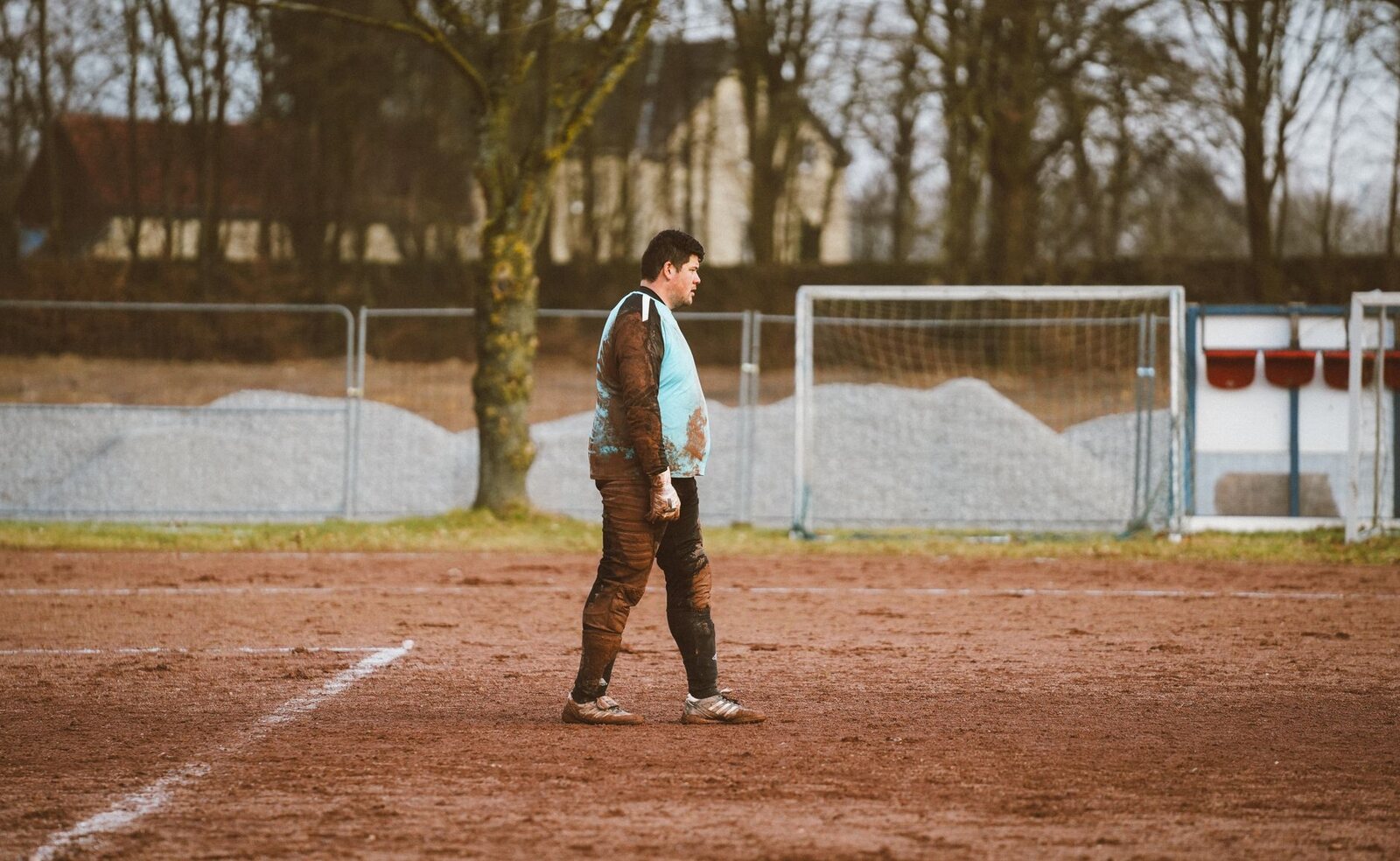
Photo via Unsplash
The grassroots game is no longer just about kicking a ball in the park. The changing face of grassroots football reflects broader societal shifts, as well as the evolving attitudes of different generations towards sport, leisure, and community. Today's parents, many of whom grew up playing football themselves, approach the game with a different set of expectations and pressures.
For the previous generation, grassroots football was often a simple affair: a group of kids gathering at the local park, supervised by a parent or a local volunteer. The emphasis was on fun, with little regard for skill level or competition. Winning was secondary to participation, and the primary goal was to foster a love for the game. This approach was shaped by a post-war culture that valued community and camaraderie above individual achievement.
Today, the landscape is markedly different. The rise of professionalisation at all levels of the game has seeped down to grassroots football. Parents, many of whom have been influenced by the commercialisation and media coverage of elite football, now expect a more structured and competitive environment for their children. This shift is evident in the increasing number of clubs that offer formal coaching, organised leagues, and even professional-style facilities.
The grassroots game is no longer just about kicking a ball in the park.
Economic factors also play a significant role in this transformation. The cost of participation has risen, with many clubs now charging fees that were unthinkable a generation ago. These fees often cover not just the basics—like kit and pitch hire—but also coaching, travel, and even memberships to a proper club website. As a result, grassroots football is becoming less accessible to families with lower incomes, creating a divide between those who can afford to pay and those who cannot.
The emphasis on competition has also introduced a new set of pressures. Children are now often judged on their performance from a young age, with some clubs selecting players based on skill level rather than simply on a first-come, first-served basis. This competitive edge can lead to early specialisation, where children focus on football to the exclusion of other sports and activities. While this can lead to higher levels of skill and potentially greater success in the long term, it also risks burning out young players and reducing the joy that should be inherent in playing a game.
The role of technology cannot be overlooked. The advent of a coaching app like KiCKS has changed how coaches manage their teams, record player progress, and even communicate with parents. This technological integration brings efficiency but also adds another layer of expectation and pressure.
Despite these changes, the core values of grassroots football—community, camaraderie, and the simple joy of playing—remain important. However, the way these values are expressed and experienced is evolving. Today's parents are more likely to see grassroots football as a pathway to potential professional careers, rather than just a weekend pastime. This shift in perspective is reshaping not only how the game is played but also how it is perceived by the next generation.
As we stand on the sidelines, watching the next generation chase the ball with a mix of old and new expectations, it's clear that the grassroots game is in a state of flux. The challenge lies in balancing the new expectations and pressures with the fundamental joy and inclusivity that should be at the heart of grassroots football.
Keep reading